
Maa Kushmanda: The Divine Creator of the Universe and the Light of Spiritual Awakening
Maa Kushmanda is worshipped as the fourth manifestation of Goddess Durga during the sacred festival of Navratri. She is revered as the divine source of cosmic energy, creation, vitality and light. Her radiant presence symbolises the power that brings life into existence and sustains the universe through its infinite expressions.
The worship of Maa Kushmanda invites devotees to reflect on the creative energy that exists throughout the cosmos and within every living being. Her symbolism also offers a meaningful connection to the spiritual journey, encouraging seekers to cultivate inner awareness, discipline and a deeper understanding of their own consciousness.
For those following the path of Kriya Yoga, the fourth day of Navratri provides an opportunity to contemplate the relationship between the universal source of life and the spiritual potential within oneself.
The Spiritual Significance of Maa Kushmanda
The name Kushmanda is traditionally associated with the cosmic egg and the creative power of the Divine Mother. In Hindu devotional traditions, Maa Kushmanda is believed to have brought light and order to the universe through her divine radiance.
She is often described as the goddess whose gentle smile illuminates the darkness of the cosmos. This imagery represents the emergence of creation from an original state of darkness and the presence of divine energy in every aspect of existence.
Her symbolism encourages us to recognise that light is not merely an external phenomenon. It can also represent knowledge, clarity, hope and spiritual understanding.
Just as light reveals what was previously hidden, spiritual awareness allows us to look beyond confusion and develop a deeper understanding of ourselves and the world around us.
Maa Kushmanda therefore represents the creative force that sustains life and the inner illumination that guides a seeker towards greater awareness.
The Divine Form and Attributes of Maa Kushmanda
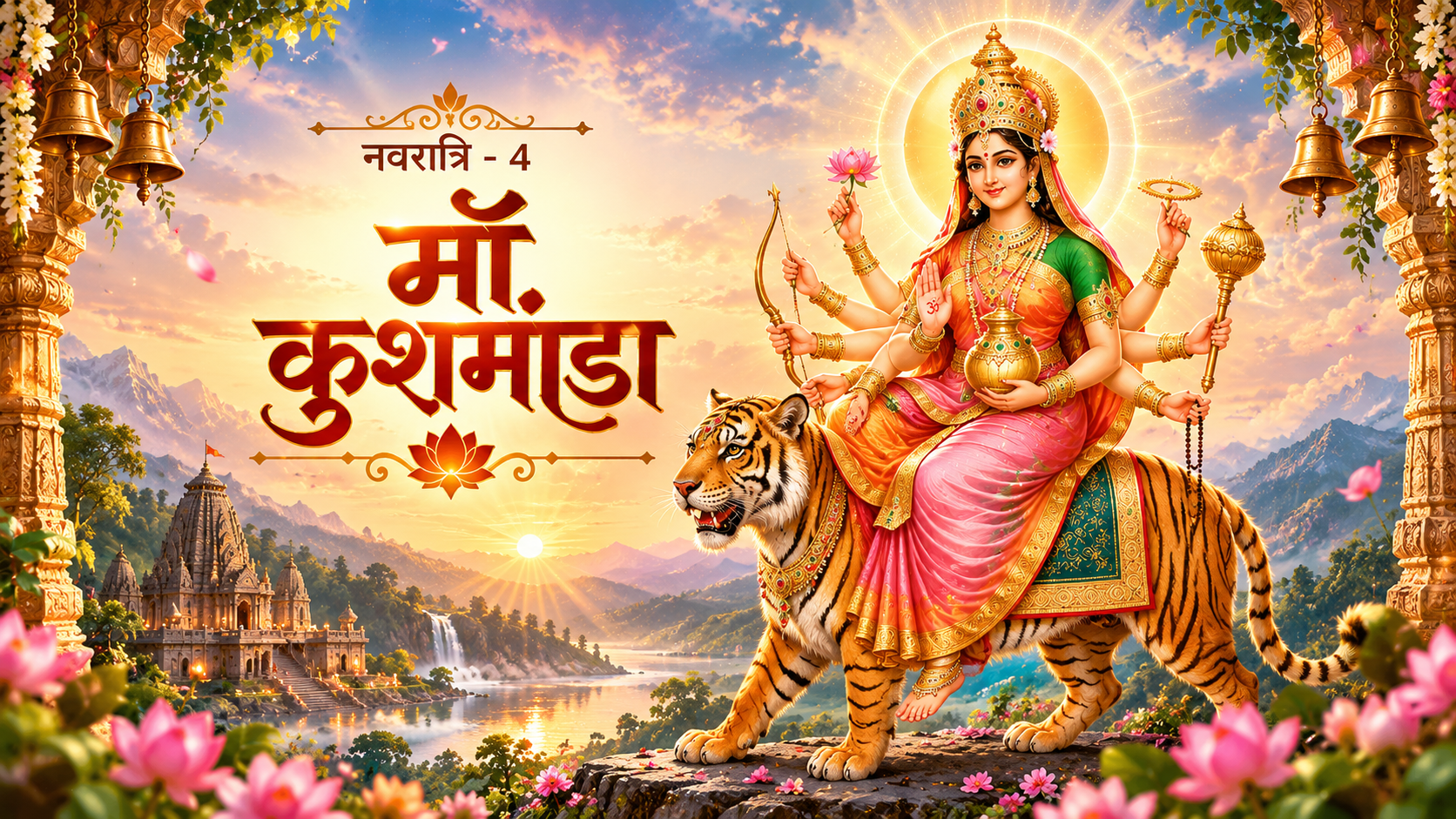
Maa Kushmanda is traditionally depicted with a radiant golden complexion and eight hands. She is therefore also known as Ashtabhuja Devi, meaning the goddess with eight arms.
Her hands are commonly shown holding a variety of sacred objects, including a bow, arrow, discus, mace, lotus, pot of nectar and rosary. One hand may be depicted in a gesture of blessing. She is often portrayed riding a lion, symbolising courage, strength and fearlessness.
Each element of her divine form carries a spiritual meaning:
- The radiant complexion: Symbolises divine light, vitality and the power of creation.
- The eight arms: Represent the goddess’s multifaceted divine power and ability to sustain and protect creation.
- The rosary: Is associated with devotion, prayer and spiritual discipline.
- The pot of nectar: Symbolises nourishment, vitality and the sustaining essence of life.
- The lion: Represents courage, confidence and mastery over fear.
- The divine weapons: Signify the strength required to overcome obstacles and protect righteousness.
Together, these attributes portray Maa Kushmanda as the embodiment of creative energy, protection and spiritual vitality.
Maa Kushmanda and the Creation of the Universe
According to Hindu devotional belief, Maa Kushmanda brought the universe into existence through her divine smile. Before creation, the cosmos is described in traditional narratives as being enveloped in darkness. Through the radiance of the Divine Mother, light emerged and creation began to unfold.
This sacred imagery expresses the belief that the universe is sustained by an underlying divine power.
The story can also inspire personal reflection. Every meaningful transformation begins with the emergence of a new possibility. A moment of understanding can bring clarity to confusion, hope can arise during difficult times, and sincere spiritual practice can illuminate aspects of ourselves that previously remained unnoticed.
In this sense, the cosmic radiance associated with Maa Kushmanda becomes a reminder of the potential for renewal and growth within human life.
Her worship encourages devotees to approach life with gratitude, recognise the interconnectedness of existence and cultivate the qualities that bring light into their own thoughts and actions.
The Spiritual Meaning of Light and Inner Energy
Light is one of the most enduring symbols in spiritual traditions. It represents knowledge over ignorance, awareness over confusion and hope over despair.
Maa Kushmanda embodies this symbolism through her association with cosmic creation and radiant energy.
In everyday life, the mind can become clouded by excessive worry, anger, uncertainty and distraction. These experiences may make it difficult to recognise our priorities or respond wisely to challenges.
Spiritual reflection and meditation offer opportunities to pause, observe these patterns and cultivate greater clarity.
For a seeker, inner light can be understood as the growing ability to recognise thoughts and emotions without being completely controlled by them. It also involves developing compassion, self-discipline and an appreciation of the deeper meaning of life.
The worship of Maa Kushmanda thus becomes an invitation to move from confusion towards understanding and from restlessness towards a more conscious way of living.
Maa Kushmanda and the Path of Kriya Yoga
Kriya Yoga is a spiritual discipline that emphasises regular practice, self-awareness and the cultivation of inner stillness. For sincere practitioners, it provides a structured path for deepening spiritual understanding through guidance, discipline and sustained effort.
The symbolism of Maa Kushmanda offers a valuable theme for reflection within this journey.
Her association with cosmic energy reminds us to contemplate the source of life, while her radiant form represents the clarity that can emerge through sincere spiritual practice.
Through meditation and disciplined living, seekers can learn to observe the movements of the mind, become more conscious of their responses and develop a deeper appreciation of their inner life.
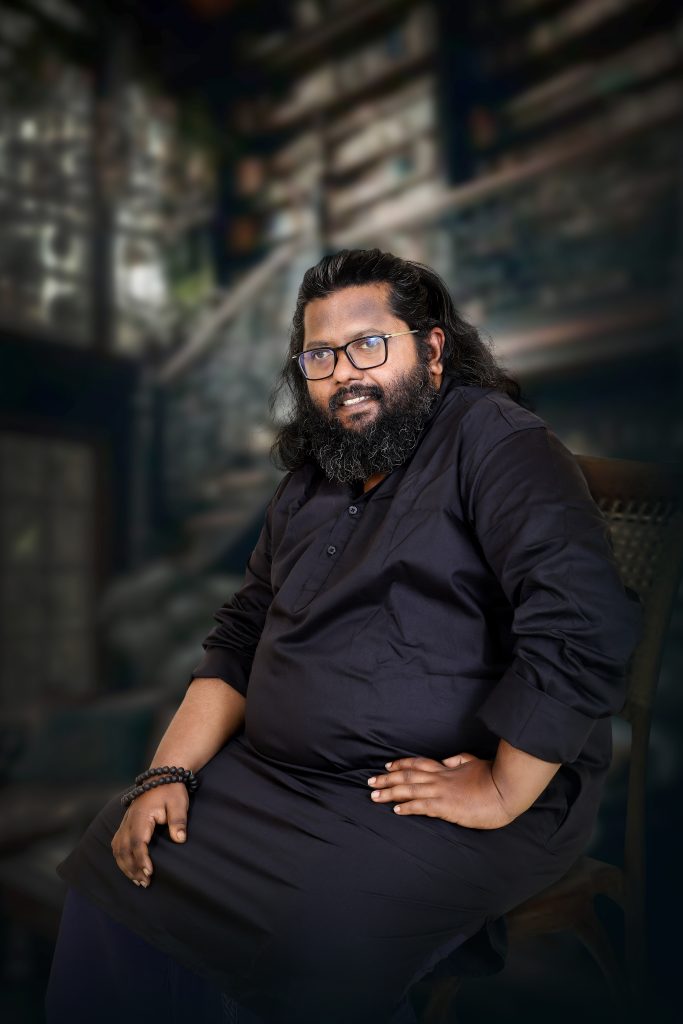
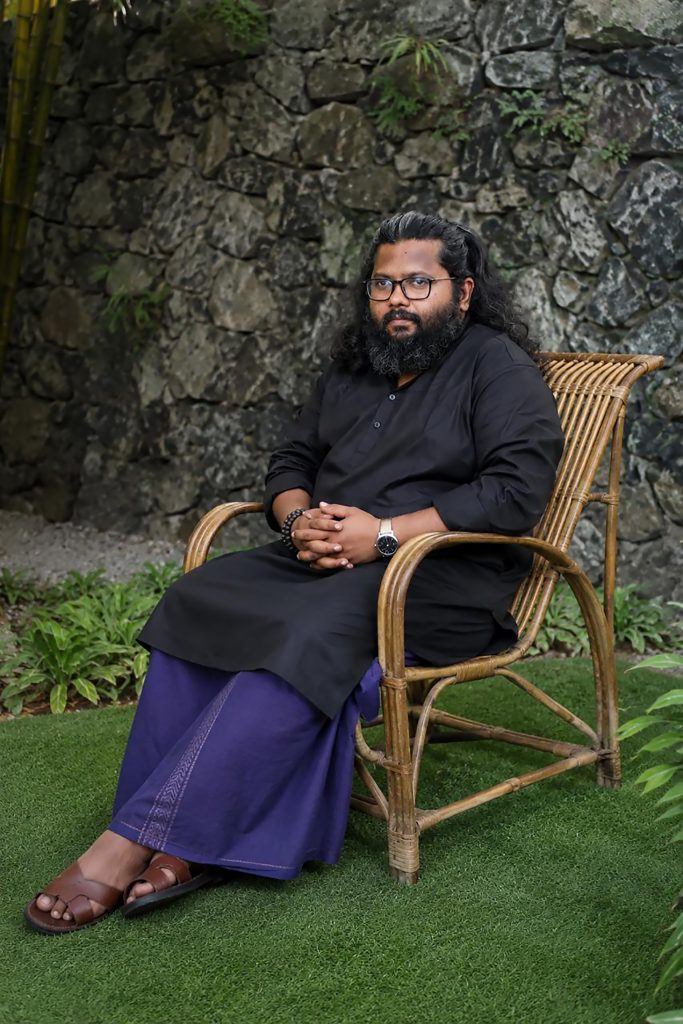
For the spiritual community of Kriya Yoga International, associated with Yogi Paravoor Sudheesh, Maa Kushmanda’s story can serve as an inspiration to approach the path of self-discovery with patience, humility and commitment.
Spiritual progress is not simply about acquiring information or experiencing temporary peace. It involves gradually bringing greater awareness into everyday life and allowing spiritual understanding to influence our conduct, relationships and choices.
Practitioners should learn and follow Kriya Yoga techniques under the guidance of a qualified teacher.
The Importance of Meditation and Self-Reflection
The fourth day of Navratri offers an opportunity to meditate on the creative power and radiant presence of Maa Kushmanda.
Meditation can help us create space between our immediate reactions and our considered responses. With regular practice, it can support greater self-awareness and a more balanced relationship with our thoughts and emotions.
A simple contemplative practice inspired by the goddess’s symbolism may include the following steps:
1. Find a quiet place
Choose a peaceful environment where you can sit comfortably without unnecessary distractions.
2. Settle the body and mind
Allow the body to relax while maintaining a comfortable, upright posture. Observe your natural breathing without forcing or controlling it.
3. Reflect on divine light
Contemplate the symbolism of light as knowledge, clarity and the possibility of spiritual renewal.
4. Observe your thoughts
Notice thoughts and emotions as they arise. Rather than judging them, gently return your attention to the present moment.
5. Carry awareness into daily life
Consider how you can bring more patience, kindness, courage and understanding into your interactions with others.
Those who already practise Kriya Yoga should continue following the techniques and instructions provided by their qualified teacher.
The purpose of spiritual practice is to develop greater awareness and allow that awareness to guide our everyday actions.
The Grace of Maa Kushmanda
Maa Kushmanda is revered as a source of vitality, prosperity, courage and divine protection. Devotees seek her blessings for strength during difficulties, clarity in decision-making and harmony in their lives.
Her symbolism reminds us that life contains an extraordinary capacity for renewal. Even during challenging periods, we can discover new perspectives, cultivate resilience and move towards a more meaningful way of living.
The goddess’s association with creation also encourages gratitude for the natural world and the countless forms of life that surround us.
Recognising the sacredness of existence can inspire us to act with greater responsibility, treat others with compassion and appreciate the opportunities available to us.
Through devotion, prayer and sincere spiritual practice, the worship of Maa Kushmanda becomes an occasion to renew our commitment to inner growth and conscious living.
Celebrating the Fourth Day of Navratri
Navratri is a sacred period of devotion, reflection and spiritual renewal. Each manifestation of Goddess Durga represents distinct divine qualities that invite devotees to deepen their understanding of life and spirituality.
On the fourth day, Maa Kushmanda reminds us of the creative energy that sustains the universe and the light of awareness that can guide our inner journey.
Her radiant form inspires us to cultivate hope, overcome ignorance and approach life’s experiences with greater clarity and gratitude.
For those following the path of Kriya Yoga, this occasion offers an opportunity to renew their commitment to meditation,