
Maa Skandamata: The Divine Mother of Love, Compassion and Spiritual Wisdom
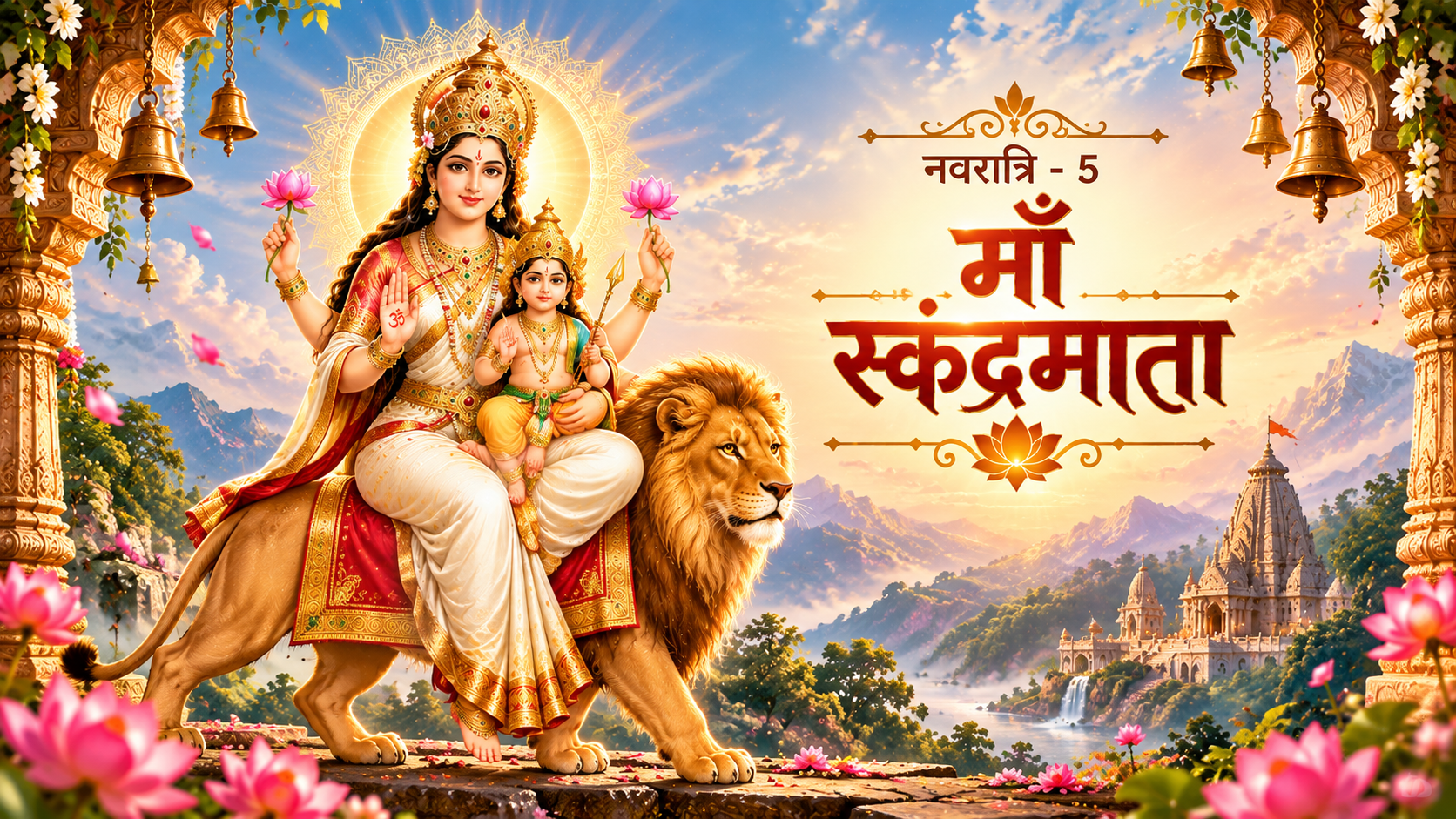
Maa Skandamata is worshipped as the fifth manifestation of Goddess Durga during the sacred festival of Navratri. She represents maternal love, compassion, protection and spiritual wisdom. Seated on a lion and holding her son, Lord Skanda (Kartikeya), in her lap, she embodies the nurturing power of the Divine Mother and the strength that arises from unconditional love.
The worship of Maa Skandamata invites devotees to reflect on the importance of compassion, selflessness and inner discipline. Her divine form reminds us that spiritual growth is not limited to personal achievement; it also involves developing kindness, understanding and a sense of responsibility towards others.
For spiritual seekers following the path of Kriya Yoga, the fifth day of Navratri offers an opportunity to contemplate the relationship between devotion, inner awareness and the transformation of consciousness.
The Spiritual Significance of Maa Skandamata
The name Skandamata is formed from two Sanskrit words: Skanda, another name for Lord Kartikeya, and Mata, meaning mother. She is revered as the mother of Skanda, the divine warrior associated with courage, wisdom and the protection of righteousness.
Her form represents the profound bond between a mother and her child. This relationship is often regarded as one of the purest expressions of love, care and selflessness.
On a spiritual level, Maa Skandamata reminds devotees that compassion is an essential quality of an awakened life. True spiritual understanding should gradually find expression in the way we treat our families, communities and all living beings.
Her worship encourages us to cultivate a heart that is generous, a mind that is clear and an attitude that remains compassionate even during difficult circumstances.
The Divine Form and Attributes of Skandamata
Maa Skandamata is traditionally depicted with four arms. She holds lotus flowers in two of her hands, carries the infant Skanda in another and raises the remaining hand in a gesture of blessing. She is commonly portrayed seated on a lion, although some traditional depictions show her seated on a lotus.
Her serene expression and radiant appearance symbolise the harmony of maternal tenderness and divine strength.
Each aspect of her form conveys a deeper spiritual meaning:
- Lord Skanda in her lap: Represents maternal affection, protection and the nurturing of divine potential.
- The lotus flowers: Symbolise purity, spiritual growth and the ability to remain centred amid life’s difficulties.
- The blessing gesture: Expresses grace, reassurance and the compassionate nature of the Divine Mother.
- The lion: Represents courage, strength and the ability to face challenges without surrendering to fear.
- Her peaceful expression: Reflects calmness, emotional balance and the harmony that can arise through devotion.
Together, these attributes portray Skandamata as a divine presence who combines gentleness with strength and love with spiritual wisdom.
The Story of Maa Skandamata and Lord Kartikeya
According to Hindu tradition, Lord Kartikeya was born to lead the divine forces against the demon Tarakasura, whose growing power threatened the balance of the universe. Kartikeya became known for his courage, leadership and role in restoring cosmic order.
As his mother, Goddess Skandamata represents the nurturing force behind this divine mission. Her story highlights the significance of maternal guidance in the development of courage, responsibility and strength.
The relationship between Skandamata and Kartikeya also offers a meaningful lesson about the role of care in personal growth. Strength does not develop through force alone. It is also shaped by guidance, patience, encouragement and the values nurtured from an early age.
On a broader spiritual level, the story reminds us that the qualities needed to overcome challenges must be cultivated within ourselves. Courage requires discipline, wisdom requires reflection and meaningful action requires a sense of responsibility.
Through her worship, devotees are encouraged to nurture these qualities in their own lives.
Maternal Love as a Reflection of Divine Compassion
The love represented by Maa Skandamata extends beyond the relationship between a mother and child. It symbolises a wider spiritual principle: compassion is a powerful expression of our connection with life.
When we respond to another person’s suffering with understanding, offer support without expecting a reward or act with kindness during a difficult moment, we express qualities associated with the nurturing nature of the Divine Mother.
Such compassion does not mean avoiding difficult decisions or accepting injustice. Rather, it involves responding to situations with wisdom, courage and a genuine concern for the well-being of others.
The symbolism of Skandamata encourages devotees to look beyond self-centred concerns and develop a more inclusive understanding of love.
For a spiritual seeker, this can mean practising patience in relationships, listening without judgement, helping those in need and treating every living being with dignity.
In this way, devotion becomes more than a ritual. It becomes a principle that guides everyday conduct.
Maa Skandamata and the Path of Kriya Yoga
Kriya Yoga is a spiritual discipline that emphasises regular practice, self-awareness and the gradual refinement of consciousness. It encourages sincere seekers to approach their inner journey with discipline, patience and guidance from a qualified teacher.
The symbolism of Maa Skandamata offers an opportunity to reflect on how spiritual practice can nurture compassion and inner balance.
Just as a mother patiently nurtures her child, the spiritual journey requires consistency and commitment. Inner transformation rarely happens through a single experience. It develops through repeated effort, honest self-observation and a willingness to learn.
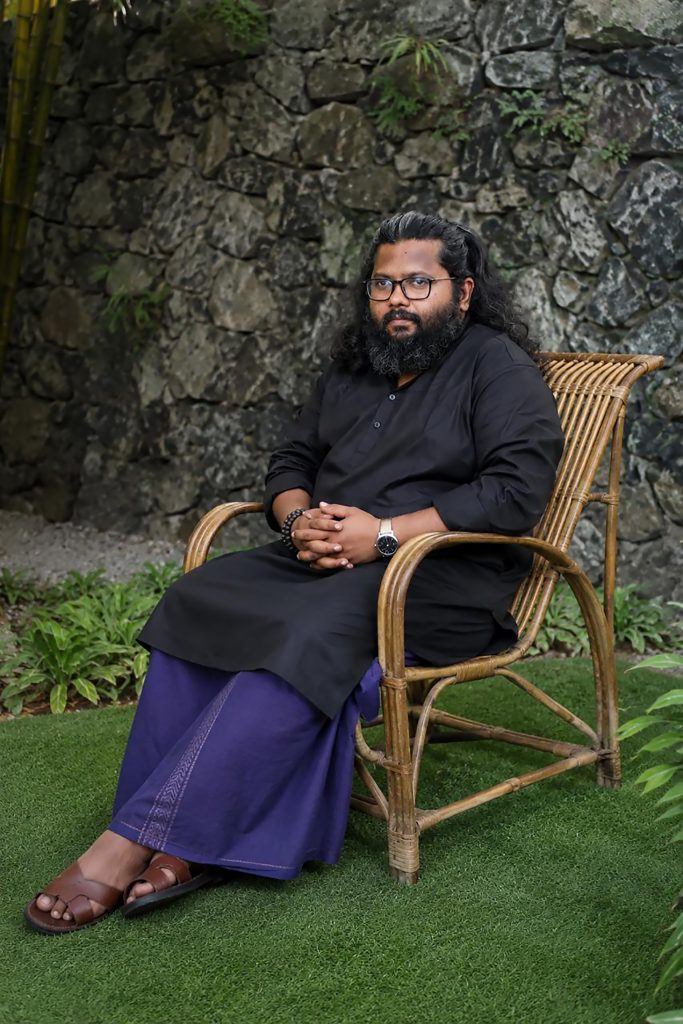
For practitioners associated with Kriya Yoga International and the spiritual guidance of Yogi Paravoor Sudheesh, the worship of Skandamata can serve as a reminder to bring the qualities of love, humility and awareness into daily life.
Meditation and disciplined spiritual practice can help seekers become more conscious of their thoughts, emotional reactions and behaviour. This awareness may create opportunities to respond to others with greater patience and understanding.
Spiritual progress is not measured solely by what we experience during meditation. It is also reflected in how we live, how we treat others and how responsibly we meet life’s challenges.
The Lotus: A Symbol of Purity and Spiritual Growth
The lotus is an important symbol in Hindu spirituality. It grows in muddy water yet rises above the surface to blossom, making it a powerful representation of purity, resilience and spiritual development.
The lotus held by Maa Skandamata invites devotees to reflect on the possibility of maintaining inner clarity even when life becomes difficult.
Everyday life brings responsibilities, uncertainty, conflict and emotional challenges. These experiences cannot always be avoided, but we can learn to approach them with greater awareness and maturity.
The lotus reminds us that difficult circumstances need not prevent inner growth. With discipline, reflection and sincere effort, challenges can become opportunities to develop patience, wisdom and resilience.
For a seeker following the path of Kriya Yoga, this symbolism offers encouragement to remain committed to spiritual practice while fulfilling everyday responsibilities.
The Lion: Courage Guided by Compassion
The lion associated with Maa Skandamata represents strength, courage and fearlessness. Its presence alongside the gentle maternal form of the goddess reveals an important spiritual balance.
Compassion does not require weakness, and courage does not require aggression. A mature response to life’s challenges combines the ability to stand firm with the wisdom to remain considerate of others.
In everyday life, this balance can be expressed through setting healthy boundaries, defending what is right, accepting responsibility and facing difficult situations without unnecessary hostility.
The lion reminds devotees that true strength is not simply the power to overcome others. It is also the ability to govern one’s own reactions, remain steady under pressure and act with integrity.
Through devotion to Skandamata, seekers are encouraged to cultivate this balance of courage and compassion.
Meditation and the Cultivation of Inner Peace
The fifth day of Navratri provides an opportunity to reflect on the qualities represented by Maa Skandamata through prayer, meditation and self-observation.
Meditation can help create a space in which thoughts and emotions are observed with greater clarity. Rather than reacting immediately to every feeling, practitioners can gradually learn to respond more consciously.
A simple contemplative practice inspired by the symbolism of Skandamata may include the following steps.
1. Find a peaceful place
Sit comfortably in a quiet environment where you can spend a few moments without unnecessary distractions.
2. Allow the body to settle
Maintain a comfortable, upright posture and relax any unnecessary tension. Observe the natural rhythm of your breathing without forcing it.
3. Contemplate the qualities of the Divine Mother
Reflect on compassion, patience, courage and selflessness. Consider how these qualities can influence your relationships and everyday decisions.
4. Observe your thoughts and emotions
Notice your mental activity without harsh judgement. When attention wanders, gently return to the present moment.
5. Practise compassion in daily life
Choose one practical way to express kindness, understanding or support towards another person. Allow spiritual reflection to influence your actions.
Those who practise Kriya Yoga should continue following the techniques and instructions provided by their qualified teacher. This general reflection is not a substitute for formal Kriya Yoga instruction.
The Grace and Blessings of Maa Skandamata
Maa Skandamata is worshipped as a source of maternal love, protection, peace and spiritual nourishment. Devotees seek her blessings for the well-being of their families, strength during challenging times and greater harmony in their lives.
Her form reminds us that care and compassion are not passive qualities. They require attention, patience and the willingness to support others even when doing so demands effort.
Her blessings are also understood as an inspiration to cultivate inner qualities that help us navigate life’s difficulties with greater wisdom.
Through prayer, meditation and conscious living, devotees can use the occasion of Navratri to renew their commitment to kindness, self-discipline and spiritual growth.
The worship of the Divine Mother thus becomes an opportunity to recognise the value of nurturing relationships, responsible action and a heart that remains open to the suffering and happiness of others.
Celebrating the Fifth Day of Navratri Through Kriya Yoga
Navratri is a sacred period of devotion, reflection and spiritual renewal. Each manifestation of Goddess Durga offers an opportunity to contemplate different dimensions of divine energy and their relevance to human life.
Maa Skandamata, worshipped on the fifth day, reminds us of the importance of maternal love, compassion, courage and spiritual wisdom. Her lotus flowers represent purity, her lion symbolises strength and her loving presence with Lord Kartikeya expresses the nurturing power of the Divine Mother.
For those following the path of Kriya Yoga, her symbolism offers a reminder that inner development should be reflected in everyday life through patience, discipline, awareness and compassion.
As we worship Maa Skandamata, let us cultivate the strength to face challenges, the wisdom to act responsibly and the kindness to support those around us.
May the Divine Mother’s grace inspire harmony in our relationships, peace in our hearts and a deeper commitment to spiritual awareness.
Jai Maa Skandamata!
Prepared for the spiritual community of Kriya Yoga International, associated with Yogi Paravoor Sudheesh.